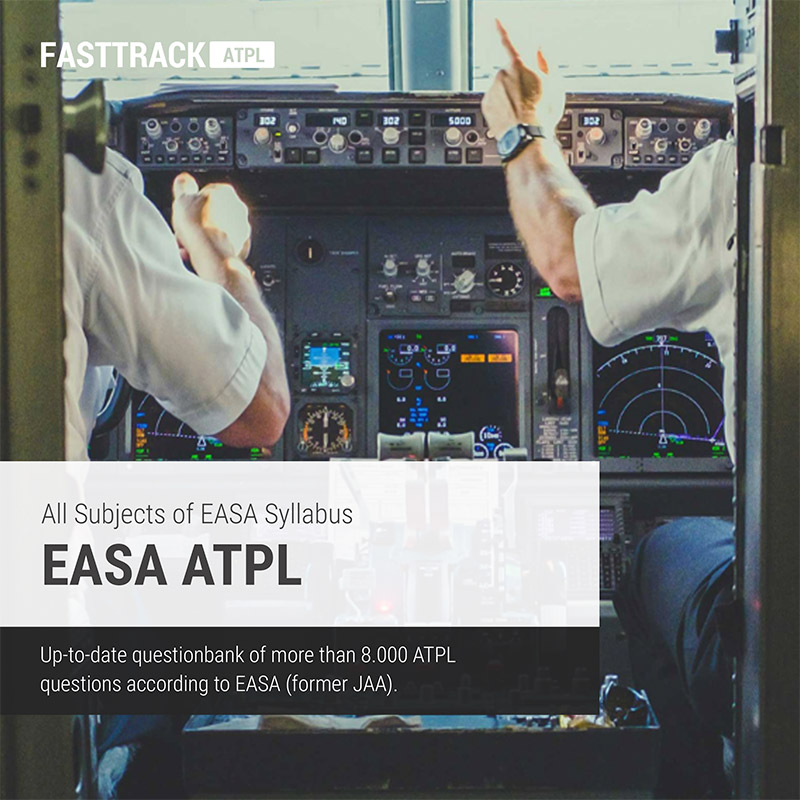
Sample Question: Electronic Displays
Understanding Electronic Displays and Colour Logic (AMC 25-11)
Modern flight decks rely on integrated electronic displays—typically the Primary Flight Display (PFD), Navigation Display (ND), and engine/systems pages (EICAS/ECAM)—to present critical information in a clear, prioritised manner. Under EASA’s CS-25 framework, AMC 25-11 provides human factors guidance so that colour use, symbology, and alerting remain consistent across aircraft systems and manufacturers. For ATPL students and flight crew, knowing what each colour signifies is essential to interpreting alert levels, understanding flight guidance status, and executing procedures correctly under time pressure.
The colour hierarchy in AMC 25-11 supports fast, error-resistant decision-making by assigning colours to the urgency and status of information. In simple terms, red is reserved for warning-level alerts and flight envelope or system limit exceedances; it demands immediate crew action. Amber/yellow indicates a caution, signalling a condition that requires timely crew attention but is not immediately hazardous. For flight guidance, green denotes an engaged (active) mode—what the autopilot/flight director is currently commanding—while white or cyan denotes an armed mode, indicating a mode that is armed and ready to capture when criteria are met. This consistent colour coding reduces mode confusion and helps pilots quickly prioritise responses in line with company SOPs and aviation regulations.
On the flight mode annunciator (FMA), these conventions are applied directly to autopilot and flight director modes. For example, a lateral or vertical mode shown in green is actively guiding the aircraft; the same mode in white/cyan is armed, awaiting capture (e.g., LOC or GS armed before becoming engaged). On the PFD speed/attitude scales, red is used for flight envelope exceedances such as overspeed or stall margins being breached, while amber/yellow may accompany cautions on EICAS/ECAM that require crew follow-up per QRH/ECAM actions. This design philosophy ties display logic to procedures: warnings trigger immediate memory items or boldface actions where applicable; cautions prompt systematic diagnosis and checklist use; armed and engaged annunciations guide monitoring and callouts to prevent automation surprises. By mastering this symbology, pilots enhance situational awareness, standard phraseology, and adherence to ATPL-level procedures across aircraft systems.
What the Electronic Displays question bank covers
- AMC 25-11 colour conventions: red = warning/limits, amber/yellow = caution, green = engaged mode, white/cyan = armed mode.
- Application on PFD/ND and engine/systems pages (ECAM/EICAS), including flight envelope exceedance indications.
- Flight Mode Annunciator (FMA) logic: distinguishing armed versus engaged autopilot/flight director modes and typical transitions.
- Operational implications: alert prioritisation, standard callouts, and procedures in line with aviation regulations and ATPL training.
- Human factors principles that support readability, salience, and prevention of mode confusion in complex aircraft systems.